The Cultural Heritage of Belgrade’s Old Town
Belgrade, the capital city of Serbia, is a vibrant and historical city that is rich in cultural heritage. One of the most fascinating parts of Belgrade is its Old Town, also known as Stari Grad. This area is filled with centuries-old buildings, museums, and landmarks that tell the story of the city’s past. Let’s take a closer look at the cultural heritage of Belgrade’s Old Town.
The Fortress: A Symbol of Belgrade’s History
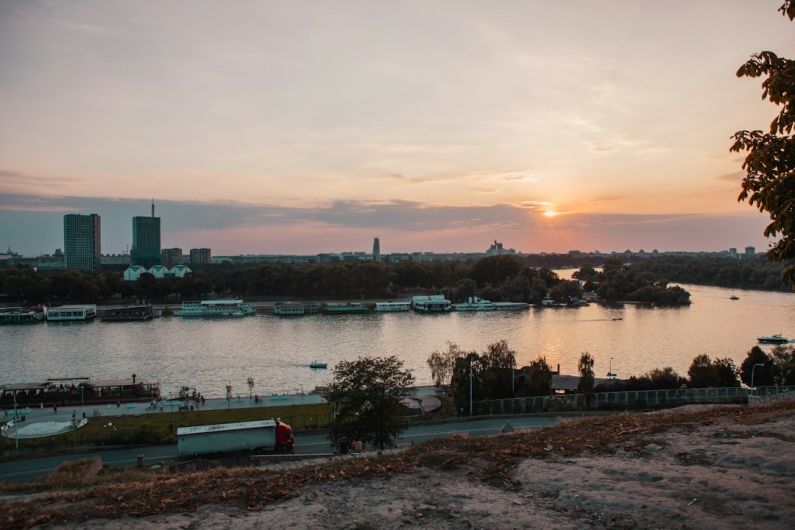
One of the most iconic landmarks in Belgrade’s Old Town is the Belgrade Fortress. This imposing fortress has stood for centuries, guarding the city and witnessing its many historical events. Built in the 2nd century by the Romans, the fortress has gone through various reconstructions and additions over the years. Today, it serves as a reminder of the city’s turbulent past and offers stunning views of the Danube and Sava rivers.
Kalemegdan Park: A Serene Oasis Amidst History
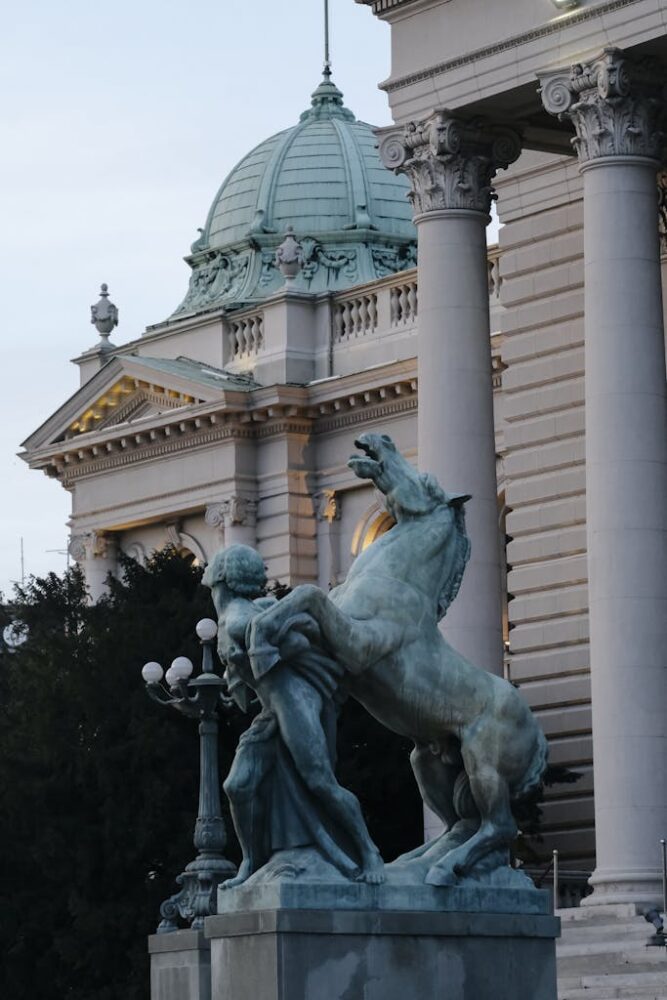
Located within the grounds of the Belgrade Fortress is Kalemegdan Park. This park is a green oasis in the heart of the city and is the perfect place to escape the hustle and bustle of daily life. Kalemegdan Park is not only a peaceful retreat but also home to several historical monuments, including the Victor Monument, Pobednik, which stands tall as a symbol of Serbia’s victory in the Balkan Wars. The park’s beauty and historical significance make it a must-visit destination for both locals and tourists.
Churches and Cathedrals: Architectural Marvels
Belgrade’s Old Town is home to numerous churches and cathedrals that showcase exquisite architectural styles and religious art. One of the most notable is the St. Sava Temple, one of the largest Orthodox churches in the world. Its grandeur and beauty are awe-inspiring, with intricate mosaics and stunning frescoes adorning its interior. Other notable churches in the area include the Church of Saint Mark, famous for its stunning roof and frescoes, and the Cathedral Church of St. Michael the Archangel, a Serbian Orthodox cathedral with a rich history.
Museums: Preserving the Past
Belgrade’s Old Town is a treasure trove of museums that offer a glimpse into the city’s past. The National Museum of Serbia is a must-visit, showcasing a vast collection of art, archaeological artifacts, and historical objects. The Museum of Contemporary Art is another cultural gem, housing an impressive collection of modern and contemporary art from both Serbian and international artists. For history enthusiasts, the Military Museum offers a comprehensive look at Serbia’s military history, with exhibits ranging from ancient weaponry to modern war artifacts.
Bohemian Quarter: A Hub of Art and Culture
Skadarlija, also known as Belgrade’s Bohemian Quarter, is a lively and artistic neighborhood located in the heart of the Old Town. This cobblestoned street is lined with charming cafes, art galleries, and traditional Serbian restaurants. Skadarlija exudes a bohemian atmosphere, reminiscent of the area’s artistic past. It was once the gathering place for poets, writers, and artists, and its legacy can still be felt today. Visitors can enjoy live music, delicious food, and immerse themselves in the vibrant cultural scene of Belgrade.
Conclusion: A Living Testament to Belgrade’s Heritage
Belgrade’s Old Town is not just a collection of old buildings and landmarks; it is a living testament to the city’s rich cultural heritage. Each street, monument, and museum tells a story, weaving together the past and the present. Whether you are a history buff, an art enthusiast, or simply someone looking to soak up the atmosphere of a city with a fascinating past, Belgrade’s Old Town has something to offer. It is a place where the echoes of history mingle with the vibrant energy of the present, creating a unique and unforgettable experience for all who visit.