How to Discover Belgrade’s Cultural Heritage?
Belgrade, the capital city of Serbia, is a treasure trove of cultural heritage waiting to be explored. With a rich history that spans centuries and influences from various civilizations, the city offers a unique blend of architectural wonders, museums, and cultural sites. If you’re planning a trip to Belgrade and want to immerse yourself in its cultural heritage, here are some tips to help you make the most of your visit.
Unveiling the Historical Gems
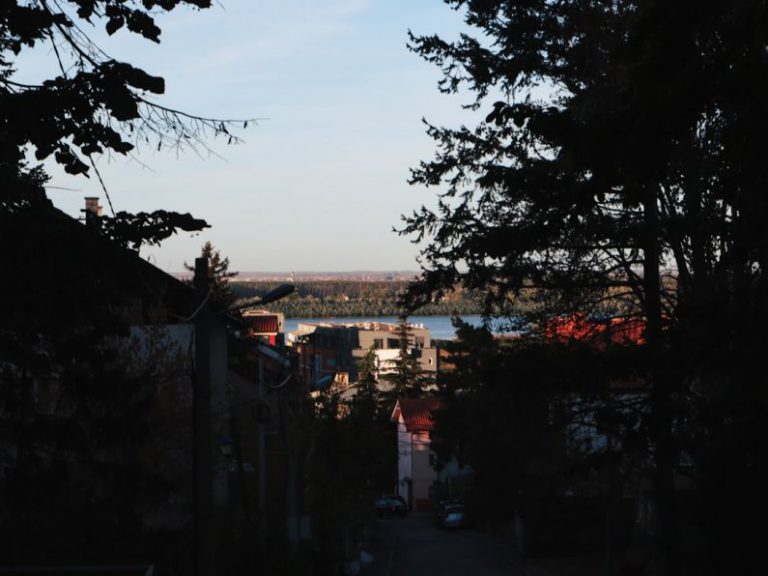
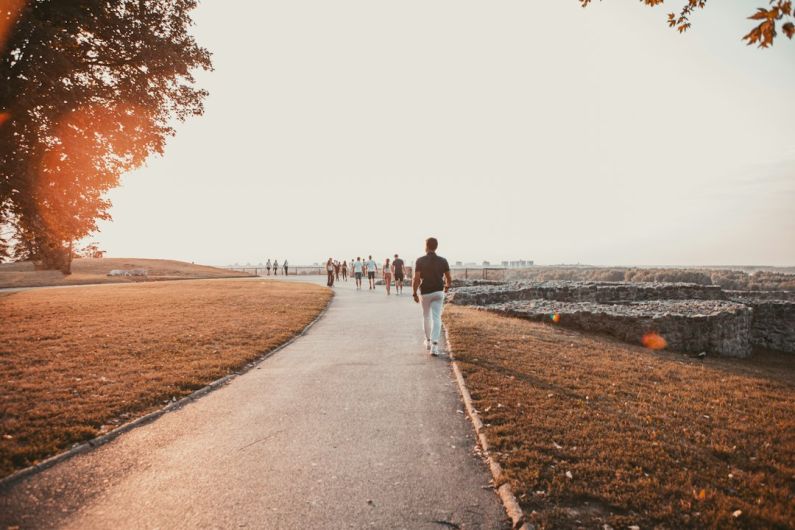
Belgrade is known for its historical landmarks that reflect its diverse past. Start your journey by visiting the Belgrade Fortress, a symbol of the city’s resilience. This sprawling complex, perched on a hill overlooking the confluence of the Sava and Danube rivers, offers panoramic views of the city and houses several historical buildings, including the Roman Well and the Clock Gate.
Explore the charming neighborhood of Skadarlija, often referred to as Belgrade’s Montmartre. With its cobblestone streets, bohemian atmosphere, and traditional Serbian restaurants, Skadarlija will transport you back in time. Take a stroll along the narrow streets, admire the colorful facades, and indulge in some local delicacies like čevapi or pljeskavica.
Immerse Yourself in Art and Culture
Belgrade is a city that celebrates art and culture in all its forms. The Museum of Contemporary Art is a must-visit for art enthusiasts. Housed in a striking building on the banks of the Sava River, this museum boasts an impressive collection of modern and contemporary art from both Serbian and international artists.
For a taste of traditional Serbian art, head to the Ethnographic Museum. Located in a beautiful 19th-century building, this museum showcases a wide range of artifacts that offer insights into the country’s cultural heritage. From traditional costumes and ceramics to religious objects and folk art, the exhibits provide a fascinating glimpse into Serbian traditions and way of life.
A Walk Through History
Belgrade’s streets are steeped in history, and exploring them on foot is a great way to uncover the city’s cultural heritage. Start your walking tour in the bohemian quarter of Dorćol and wander through its narrow streets lined with old houses and charming cafes. Don’t miss the chance to visit the Bajrakli Mosque, one of the oldest mosques in Belgrade, and the Jewish Quarter, home to the only active synagogue in the city.
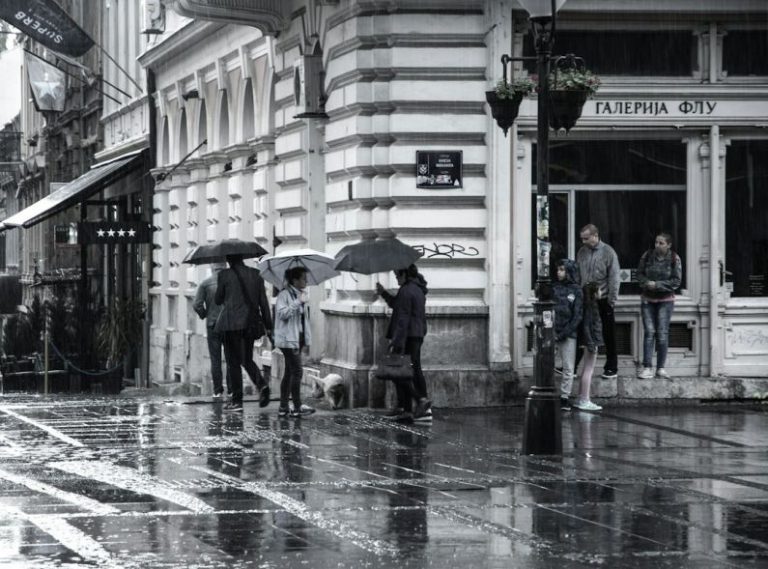
Continue your walk along Knez Mihailova Street, Belgrade’s main pedestrian zone. Lined with shops, cafes, and historic buildings, this bustling street is the perfect place to soak up the city’s vibrant atmosphere. Make sure to visit the Serbian Orthodox Cathedral of Saint Sava, one of the largest Orthodox churches in the world. Its grand architecture and stunning interior will leave you in awe.
Unearthing Hidden Gems
While exploring the well-known cultural sites is a must, don’t forget to venture off the beaten path to discover Belgrade’s hidden gems. Visit the House of Flowers, the final resting place of Josip Broz Tito, the former president of Yugoslavia. This unique memorial complex offers a glimpse into the life of this influential leader and features an exhibition of gifts he received from world leaders.
Escape the city buzz by taking a boat ride to Ada Ciganlija, a popular recreational area on an island in the Sava River. With its sandy beaches, sports facilities, and lush greenery, Ada Ciganlija offers a peaceful retreat from the urban hustle and bustle.
In conclusion, Belgrade’s cultural heritage is a tapestry woven with influences from different civilizations and time periods. From historical landmarks to art museums and hidden gems, the city offers a wealth of experiences for those eager to explore its past. So, put on your walking shoes, open your mind to new discoveries, and embark on a journey through Belgrade’s fascinating cultural heritage.