The Architectural Wonders of St. Sava Temple
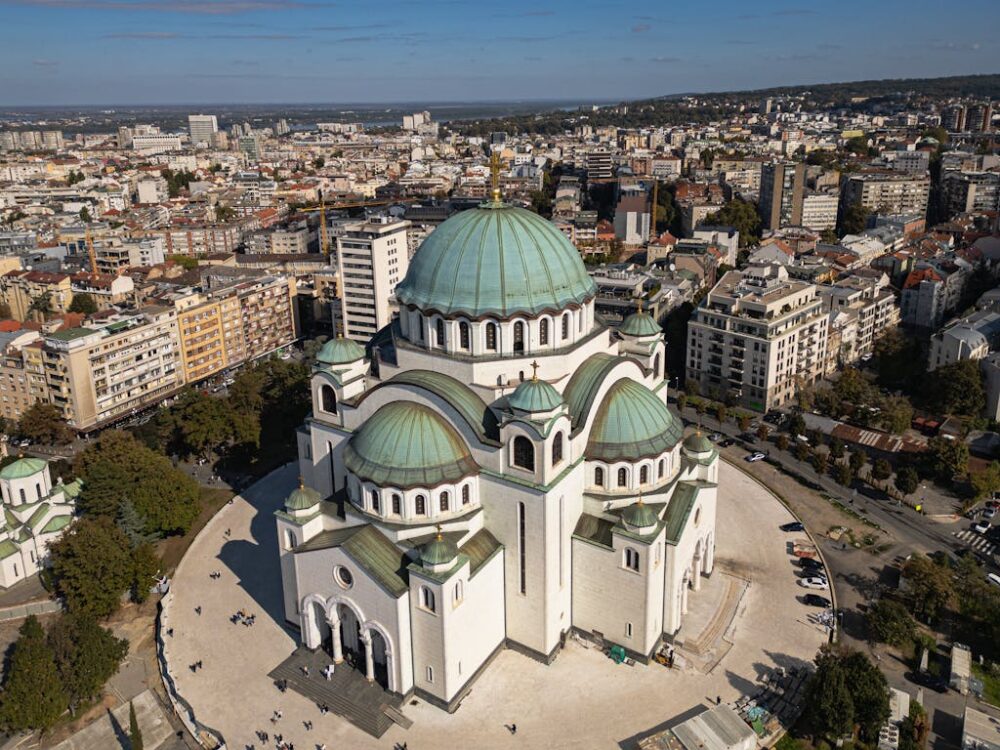
The St. Sava Temple, located in Belgrade, Serbia, is a majestic architectural masterpiece that holds a special place in the hearts of the Serbian people. Standing tall and proud, this magnificent Orthodox Christian church is not only a place of worship but also a symbol of national identity and pride. Let us delve into the architectural wonders that make the St. Sava Temple a true marvel.
A Testament to Serbian Spirit
The construction of the St. Sava Temple began in 1935, but due to various historical and political circumstances, it was not completed until 2004. This long and arduous journey to completion is a testament to the unwavering spirit of the Serbian people. The church is dedicated to Saint Sava, the founder of the Serbian Orthodox Church, and it serves as a reminder of the strength and resilience of the Serbian nation.
Grandeur in Every Detail
From the moment one lays eyes on the St. Sava Temple, it is impossible not to be captivated by its grandeur. The massive structure rises to a height of 79 meters, making it one of the largest Orthodox churches in the world. The exterior of the church is adorned with intricate details, including stunning mosaics and carvings that depict scenes from Serbian history and religious stories. The sheer scale and attention to detail are awe-inspiring, leaving visitors in a state of wonder.
A Marvel of Byzantine and Serbian Architecture
The architectural style of the St. Sava Temple is a blend of Byzantine and Serbian influences. The domed roof, with its golden cross, is a classic feature of Byzantine architecture, while the use of white marble and granite pays homage to the Serbian tradition. The church’s façade is adorned with numerous decorative elements, including rose windows, arches, and columns, further enhancing its beauty. The fusion of these architectural styles creates a unique and harmonious design that is a true marvel to behold.
A Sanctuary of Divine Light
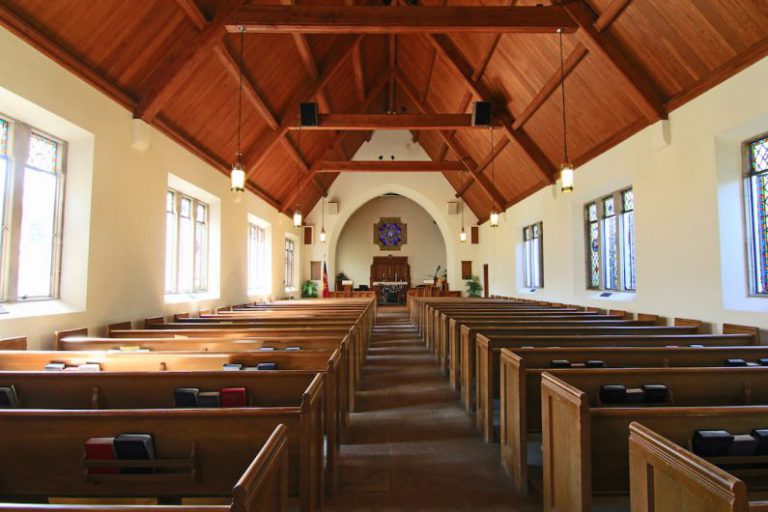
Upon entering the St. Sava Temple, one is immediately struck by the sense of serenity and tranquility that pervades the space. The interior of the church is bathed in a warm glow, thanks to the abundance of natural light that filters through the stained glass windows. The walls are adorned with beautiful frescoes, created by some of Serbia’s most talented artists, depicting biblical scenes and saints. The combination of light, color, and art creates an ethereal atmosphere that invites contemplation and spiritual reflection.
The Majesty of the Central Dome
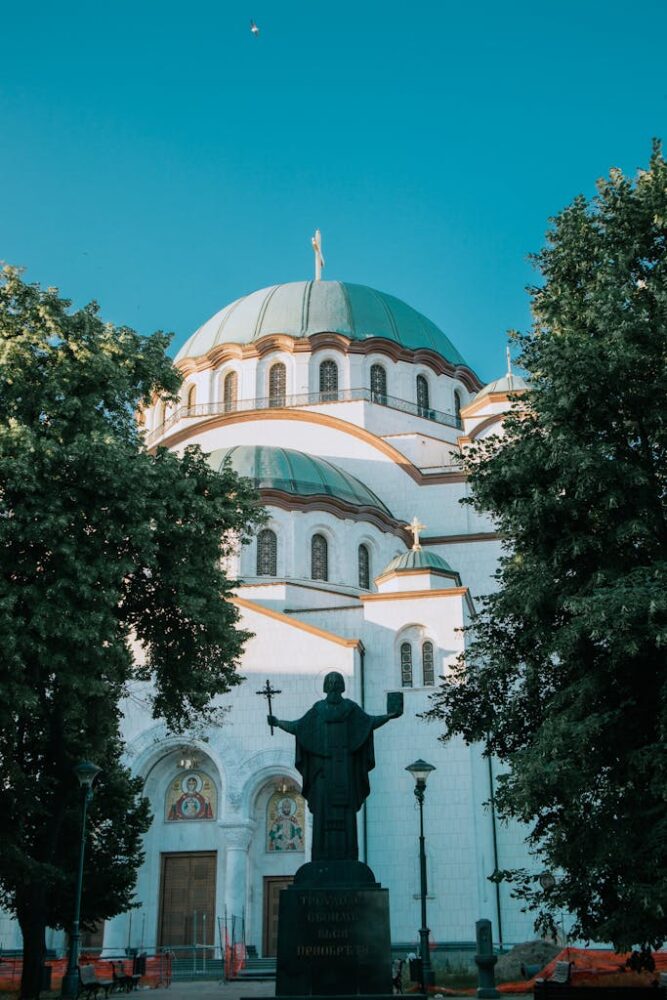
The central dome of the St. Sava Temple is a true architectural marvel. Rising to a height of 40 meters, it is adorned with exquisite mosaics that depict Christ Pantocrator and various saints. The dome is supported by four massive pillars, each decorated with intricate carvings and bas-reliefs. The sheer size and beauty of the central dome inspire a sense of awe and reverence, drawing visitors into a deeper appreciation of the church’s splendor.
A Place of Pilgrimage and Prayer
The St. Sava Temple is not only a tourist attraction but also a place of pilgrimage and prayer for Orthodox Christians. The church can accommodate up to 10,000 worshippers, making it the largest Orthodox church in the Balkans. The faithful come from far and wide to pay their respects to Saint Sava and seek spiritual solace within the hallowed walls of the temple. The St. Sava Temple has become a symbol of hope and faith for the Serbian people, a place where they can find solace and strength in times of need.
In Conclusion
The St. Sava Temple stands as a testament to the architectural prowess and unwavering spirit of the Serbian people. Its grandeur, blending of architectural styles, and serene atmosphere make it a truly remarkable place. Whether you are a tourist, a pilgrim, or simply a lover of art and history, a visit to the St. Sava Temple is an experience that will leave you in awe of the wonders of human creativity and devotion.