The Rich History of Belgrade’s Fortress
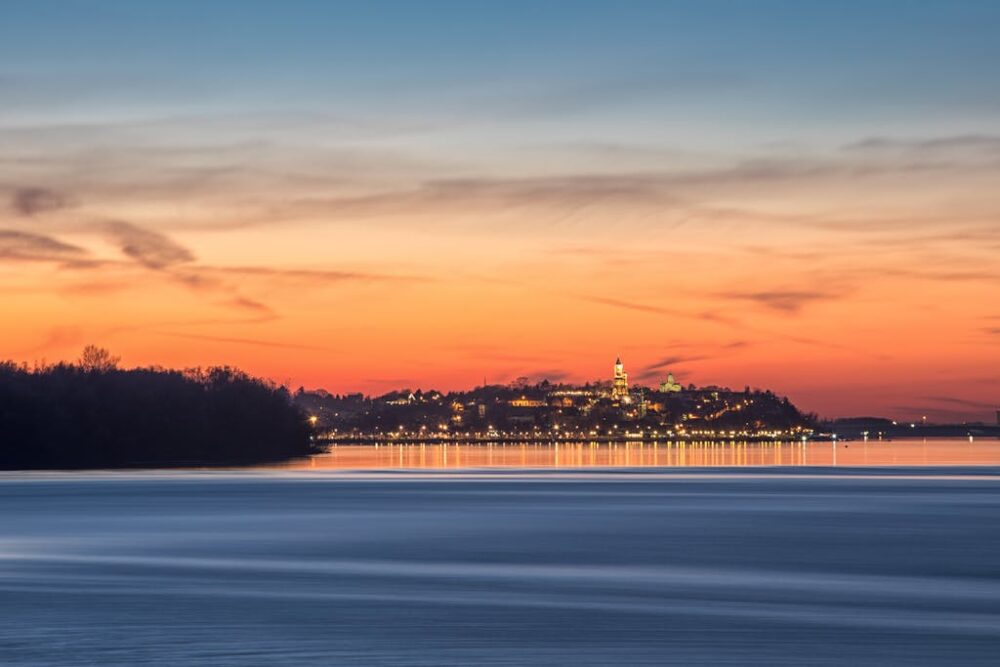
Belgrade, the capital city of Serbia, is known for its vibrant culture, beautiful architecture, and rich history. One of the city’s most iconic landmarks is the Belgrade Fortress, which stands proudly on a hill overlooking the confluence of the Sava and Danube rivers. With a history that spans over 2,000 years, this fortress has witnessed the rise and fall of empires, served as a strategic military stronghold, and now stands as a symbol of the city’s resilience and enduring spirit.
Ancient Origins
The origins of the Belgrade Fortress can be traced back to the ancient Roman period. Originally built as a military fortification in the 2nd century AD, it was strategically positioned at the crossroads of important trade routes. The Roman fortress, known as Singidunum, played a crucial role in protecting the Roman Empire’s borders from invading tribes and acted as a stronghold for the Roman army.
Medieval Times
Over the centuries, Belgrade and its fortress changed hands numerous times. During the medieval period, it was ruled by various empires, including the Byzantine, Bulgarian, and Hungarian. Each empire made its mark on the fortress, adding layers of fortifications and expanding its defenses. The fortress became a symbol of power and authority, as well as a testament to the city’s strategic importance.
Ottoman Rule
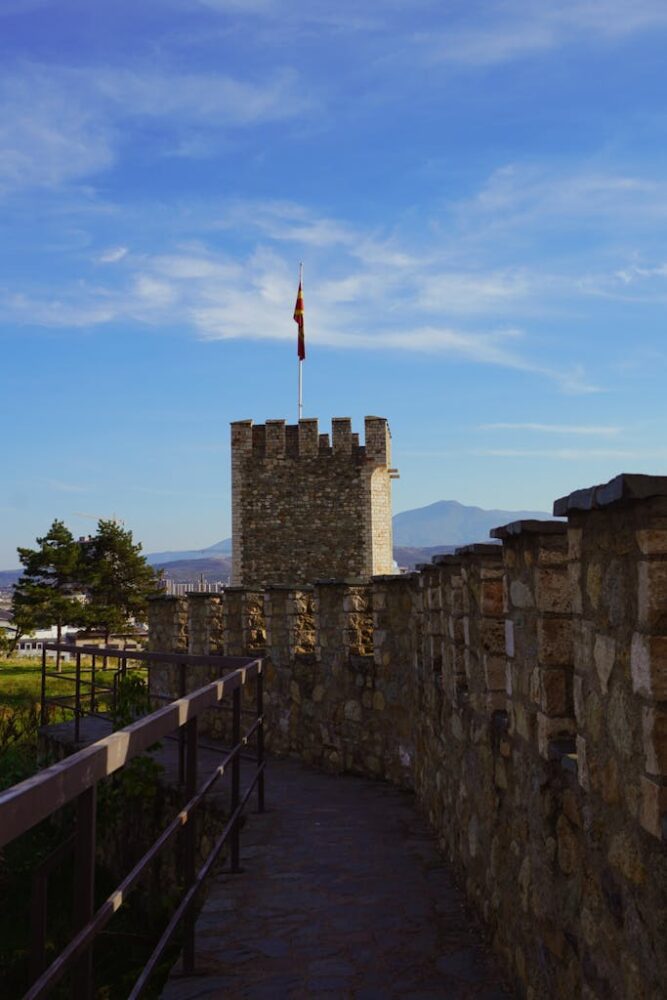
In 1521, the Ottoman Empire captured Belgrade and the fortress became a key stronghold for the Ottomans in their conquest of the Balkans. Under Ottoman rule, the fortress underwent significant renovations and expansions, transforming it into a formidable fortress with thick stone walls, bastions, and towers. The Ottomans recognized the strategic value of the fortress, as it provided control over the river routes and served as a symbol of their dominance in the region.
The Habsburg Era
In the 18th century, the Habsburg Empire sought to challenge Ottoman control over the Balkans. The fortress became a battleground during the Austro-Ottoman Wars, with multiple sieges and battles taking place within its walls. The Habsburgs eventually managed to capture Belgrade and the fortress in 1717, marking a turning point in the power dynamics of the region. The fortress was further reinforced and expanded under Habsburg rule, with the addition of new fortifications and a military barracks.
Modern Times
Following the collapse of the Habsburg Empire, Belgrade and its fortress once again changed hands. It became the capital of the newly formed Kingdom of Yugoslavia in 1918. During World War II, the fortress was heavily damaged, but it was later restored and preserved as a historical and cultural monument. Today, it serves as a popular tourist attraction, offering breathtaking views of the city and hosting various cultural events and exhibitions.
Visiting the Belgrade Fortress
A visit to the Belgrade Fortress is a must for anyone exploring the city. Walking along the fortress walls and through its gates, visitors can immerse themselves in centuries of history and admire the architectural marvels that have withstood the test of time. The fortress complex also includes several museums, such as the Military Museum and the Museum of the City of Belgrade, which provide further insights into the city’s past.
In conclusion, the Belgrade Fortress stands as a testament to the city’s rich and diverse history. From its origins as a Roman military stronghold to its role as a symbol of power under Ottoman and Habsburg rule, the fortress has witnessed the rise and fall of empires. Today, it serves as a reminder of Belgrade’s resilience and a place where visitors can immerse themselves in the city’s vibrant past.